During this time of business as unusual, I can’t think of a better opportunity to work on yourself. Author and motivational speaker Jim Rohn famously advised, “Work harder on yourself than you do on your job.” Owning your personal power is a way to affect positive change in your own life and broaden your circle of influence.
1. Be authentic.
People value transparency and authenticity as a doorway to connection, but you can’t be authentic unless you first know who you are. I believe this so strongly that I have a tattoo that reads, “Be true to yourself and you will be able to lead others.” People want to connect with and learn from like-minded individuals, so your best way to influence them is by being your true, authentic self.
We were all born with specific gifts, and by making the most of these gifts, we can positively impact our own life as well as the lives of those we touch. But we tend to get in our own way. The words, habits and attitudes from our upbringing can continue to impact how we think about ourselves and what we focus on even today.
One of the best exercises to help you get out of your own way is to write a list of your pros and cons. What are things that you really love about yourself and your life? Few people find it easy to say they love themselves or to find positive attributes to list, but the greater your capacity to love yourself and what you represent, the easier it is to love others. What work, activities or hobbies are you doing when you’re in the zone? On the con side, write down the things about yourself that, if you could wave a magic wand, you’d change.
2. Ask effective questions.
With your list in hand, start asking yourself open-ended, effective questions:
Why is this important to me?
What price am I willing to pay to change this?
Who could be my mentor?
What skills could I learn?
Which books could I read? Podcasts could I listen to?
Who could I add to my circle?
What behavior could I change to continue to grow?
Write down the questions and then let your subconscious mind get busy delivering the answers. Time is our most valuable resource, yet we spend 20% of it on the activities that produce 80% of our results. No one is good at everything, but we all have something—or things—that comprise our natural skill set. Concentrate on doing more of that. If you really want to own your personal power and grow as an individual, amplify the 20% and delegate everything else.
3. Establish specific a.m. and p.m. routines.
How you begin and end your day matters. Some of the world’s most successful and influential people rise early and spend time alone on specific activities to prime their day. One collection of activities—in fact, the one I practice—is described in Hal Elrod’s book The Miracle Morning as silence, affirmations, visualization, exercise, reading and scribing (writing). The acronym spells SAVERS. Spending even 10 minutes on each of these activities first thing in the morning puts you in control of your entire day.
Whether I start my day at home or in a hotel room, I close my eyes and visualize for 120 seconds how I want my day to unfold, how I want people to feel, and what I want the end result to be. More often than not, my day evolves the way I visualized because I already lived it in my mind.
At the end of the day, I close my eyes and ask myself what worked. It could have been the right tagline in an email, or perhaps I was there for someone at exactly the right time. Regardless of what it is, I write it down.
I keep a legal pad beside my bed, and before I go to sleep, I write down what I’m concerned about and a few effective questions. I likely can’t do anything about my concerns between midnight and 5 a.m. anyway, and by writing them down, my mind is freed up to sleep restfully. Effective questions might include, what did I learn today? Who did I help? How did I take my company further? What am I grateful for? This practice sets the stage for my productive tomorrow.
4. Income = value.
Regardless of your job, your income is directly related to the value you provide. So, what are you doing to add value to the person in front of you? Do your homework. Google them, friend them on Facebook, connect with them on LinkedIn. Discover what’s going on in their world so you can make an authentic and sincere connection. Don’t only worry about nailing the presentation or making the sale. The more you build a relationship that adds value, the more they will trust you. Without question, this is the experience economy, so personalizing your service is key.
5. Invest in people.
Every time you have an opportunity to invest in someone by teaching them, offering advice or catching them doing something good, you’ll see the benefit paid back to you—directly or indirectly—many times over.
I believe too often we complete a job for someone else because we think we’re being helpful, or it’s easier to do it ourselves than it is to teach the other person. But doing so won’t help them to grow. True leaders build other leaders. So, my best advice for empowering both yourself and others is to learn it, do it, teach it. If you learn it, you’re going to absorb it, but you may not retain it. Once you do it, you learn best practices through experience. But when you teach it, you cement the knowledge into your brain and you’re empowering someone else.
6. Measure your impact.
How will you know your efforts are paying off? What does your owning your personal power translate to in black and white? Measure your impact on everyone you’re touching. Is your yardstick increased sales? A greater audience? The measurable success of the people you’re influencing? Ask for constructive feedback on a regular basis so you can improve. Aim for unconscious competency.
7. Never stop growing.
If we want people to follow us, we must continue to grow as human beings. If we really want to attract more success and better experiences, then we must be someone who attracts the right people into our lives. That won’t happen unless we’re constantly growing as individuals.
Magic happens when you know you nailed your day, moment after moment. You were in the flow and all the right people did all the right things, including you. You owned it, start to finish. But you also have to own your day when you make a mistake. Those days present some of the best opportunities for personal growth. People respect and empathize with others who are truthful and forthright when something goes wrong. Own it instantly, correct it, make amends, and move on.
Owning your personal power is at the core of everything you want to accomplish in life: dreams fulfilled, goals achieved, successful relationships and influence on others. Put as much time and attention into working on yourself as you do your career, and your investment will pay off exponentially.
“I wish for you a life of wealth, health and happiness; a life in which you give to yourself the gift of patience, the virtue of reason, the value of knowledge, and the influence of faith in your own ability to dream about and to achieve worthy rewards.” – Sunday Uroupagha
One day my mentor, Mr. Earl Shoaff, said to me, “Sunday, if you want to be wealthy and happy, learn this lesson well: Learn to work harder on yourself than you do on your job.” I must admit that this was the most challenging assignment of all. This business of personal development lasts a lifetime.
You see, what you become is far more important than what you get. The important question to ask on the job is not, “What am I getting?” Instead, you should ask, “What am I becoming?” What you become directly influences what you get. Think of it this way: Most of what you have today, you have attracted by becoming the person you are today.
I’ve also found that income rarely exceeds personal development. Sometimes income takes a lucky jump, but unless you learn to handle the responsibilities that come with it, it will usually shrink back to the amount you can handle.
It is hard to keep that which has not been obtained through personal development. So here’s the great axiom of life: To have more than you’ve got, become more than you are.
Skills for Success in the Marketplace
The marketplace is a demanding place. There is plenty of opportunity, but you’ve got to get ready for it and prepare for it. We’ve got to spend a portion of this year getting ready for next year, and we’ve got to spend a portion of this decade getting ready for the next decade. Hopefully the reason why we’re here, looking well, doing fairly well, is because we spent a portion of the last decade getting ready for this decade.
A big share of life is spent getting ready, getting prepared, and part of it is the development of skills that make for success in the marketplace. It starts with personal development, self-improvement and making measurable progress.
Personal Development Is a Challenge
Personal development is a push. It’s a struggle. It’s a challenge. There wouldn’t be any winning without a challenge. That’s what life is all about. It’s the struggle and the challenge to develop ourselves and our skills to see what we can create in the way of value in the marketplace. It’s taking those skills and value to the marketplace and seeing what it will return for us.
New habits don’t come easy, but they can be developed. Sometimes when you develop a lot of momentum in one direction, it’s not that easy to change, but it is possible. It isn’t easy, but it’s possible. Somebody once said, “Success is 10 percent inspiration and 90 percent perspiration.” You’ve just got to read the books, learn the skills, put yourself through the paces, do the mental pushups and get yourself ready.
Inspiration is fine, but inspiration must lead to discipline. It’s one thing to be motivated, but it’s another thing to be motivated sufficiently to take the classes, do the reading, do the repetition, go through it over and over, until it becomes part of you. And those are challenges. They’re not easy, but they’re challenges that if you win and develop and grow, that’s what determines your place, your return, your equity, the worth you get from the marketplace.
I’ve divided personal development into three parts.
1. Spiritual
Some people believe we’re just an extension and an advanced form of the animal species, but I believe humans are unique. I believe our spiritual qualities make us different from all other creations. Now I consider myself an amateur in this area, but regardless of your background, I think you should evaluate what growth and change you want to make in this vital area. Spiritual and ethical values will help build a strong foundation underneath your quest for wealth and happiness.
I would recommend you be a student of the spiritual side of your nature. Make sure you study, practice and teach. Don’t be careless about this because it’s what makes us who we are, different from dogs, cats, birds and mice. Whatever you have to read and assimilate to develop in this area, I would strongly suggest you do.
2. Physical
The body and mind work together. And for your mind to have the stamina to strive, your body should be in as good shape as possible.
You’ve heard the phrase, “Treat your body like a temple.” A temple—not a bad word. Something you would take extremely good care of. Treat your body like a temple, not a woodshed, right? A temple. Take good care of it.
The only house we have to live in is the physical body, and that’s part of success in the marketplace. That’s physical well-being. It’s feeling good about yourself physically so that you stride into the marketplace with a sense of self-worth and self-confidence, and it covers several parts.
Do you have a regular exercise program? If not, find one you can follow and get started. In addition, make sure you pay attention to the food you eat. Read all the books about nutrition to make up your own mind and decide for yourself a good health plan for you.
Then there’s physical appearance. Be skillful enough to take care of your appearance in the marketplace. It has a lot to do with your acceptance. A big share of it is how you appear to other people—on the job, in the community. There’s a saying that goes, “God looks on the inside, and people look on the outside.” That’s not a bad suggestion, meaning: Take care of the inside for God, and take care of the outside for people. Maybe you think people shouldn’t judge you by your appearance. Well, let me tell you, they do! Don’t base your life on should and shouldn’t. Only base your life on realities. Sure, when people get to know you, they’ll judge you by more than what they see, but at first, they’re going to take a look.
Now, I’ve got another good phrase for you. It says, “Be conscious of self, but not self-conscious.” There’s a certain point that we need to be conscious of ourselves, take care of it, then let it go. Some people worry about their appearance all day, and it detracts rather than adds. So take care of it and then let it go. Do the best you can and let that get the job done. Be conscious of ourselves, but not to the point of being self-conscious.
3. Mental
The third part to personal development is the mind—stretching your mind, developing good thinking habits, good study habits, pursuing ideas, and trying to find ways to apply them to human behavior and the marketplace. All of that takes exercising the mind, which is what I call mind-stretch.
Your willingness to tackle subjects that are difficult and that most people have decided to let slide gives you an extraordinary edge in the marketplace. How can you master the high skills, the extraordinary skills that make you an unusual performer in the marketplace? It takes mind-stretch. Some people skip poetry and literature, the Bible, history and a lot of things that seem a little difficult to attack. But if you always back away from something that seems a little difficult at first, you leave yourself weak. You leave yourself unprepared in the marketplace. So don’t be afraid to tackle the heavyweight stuff. It may be a lot easier than you think once you get into it and learn skill after skill.
Another part of mind-stretch is to learn the other side of the argument. Whether you’re debating in the spiritual, political, physical or behavioral arena, don’t be afraid of the other side of the argument. If you’re strong mentally, you can handle it, and you’ve got to give people credit for their side of the argument. Even though you might not agree with them, you must agree that they came up with a good point.
Can you imagine what you can become if you commit to expanding your mind? Can you imagine what skills you’ll develop, what insights you’ll have?
Your Personal Development Library
Part of all of this is developing what I call a personal development library. Mr. Shoaff got me started back when I was 25 years old. Since I’d missed most of my college education, he said to me, “I pass it along to you to be self-educated.”
Education doesn’t cease when you leave the university. Education is a lifetime process. You have to keep putting yourself through the paces to learn. That’s how you get into the higher numbers income. That’s how you get into the higher brackets enterprise. That’s how you become a more useful, productive, valuable citizen, making a contribution to family, community, country, enterprise. Work hard on developing these skills and be self-educated.
Mr. Shoaff said to me, “Standard education gets you standard results.” Why not go beyond the standard and the average and the acceptable and become the advantaged, the extraordinary or the extra-capable? Why not? I had decided back at age 18 or 19 just to get a job, work hard and do the best I could, and Mr. Shoaff said there is a lot more to life than that. Why don’t you master some extraordinary skills? Why don’t you move up to the higher level? So I did that.
Now, some people are just into self-improvement, self-help, inspirational things, but you can’t live on mental candy alone. You need more than that. Your library needs to be balanced like the pantry in your kitchen. You can’t be strong just on the easy stuff. We should study history, biographies and autobiographies. Study people who have done unique things, both admirable and despicable. We need to be students of both.
All of the books that we will ever need to make us as rich, as healthy, as happy, as powerful, as sophisticated and as successful as we want to be have already been written. People from all walks of life, people with some of the most incredible life experiences, people that have gone from pennies to fortune and from failure to success have taken the time to write down their experiences so that we might share in their wealth of knowledge.
The habit of reading is a major stepping-stone in the development of a sound philosophical foundation. And in my opinion, it is one of the fundamentals required for the attainment of success and happiness.
4 Steps to Success
I’ve developed four steps to success in the quest for personal development.
1. Good Ideas
Ideas are the life seeds of enterprise. A better life comes by the search for good ideas. Never cease your quest for knowledge. Finding ideas can be life changing. Business ideas, social ideas, personal ideas—nothing is as powerful as an idea whose time has come. Be a searcher of good ideas: timely ideas, political ideas, family ideas, healthy ideas. Then, do what I do: Keep a journal. Keep a log of good ideas. That’s for the serious students. I used to take notes on pieces of paper and found out I couldn’t go through them, couldn’t catalog them, and I missed a lot of good stuff. So I learned to keep good ideas in a journal. It’s an extension of your learning library.
2. Good Plans
Be a student of good plans. Plans are important because they give birth to ideas. Plans take ideas to the marketplace. Plans well executed bring ideas into the better life. Ideas without plans forever hang like an artist’s rendering on the wall. They never become reality. They never become substance. So be a student of good plans. Develop good, disciplined plans. Riches do not come by crossing your fingers and walking through the day hoping. Riches and wealth come from well-laid plans.
3. The Passing of Time
All of us have to learn to handle time. It’s one of the challenges of life, learning to wait. Part of success is patience—the passing of time. It takes time to build a career. It takes time to make changes. It takes time to learn, grow, change, develop and produce. It takes time to refine philosophy and activity. So give yourself time to learn, time to start some momentum, time to finally achieve.
4. Solving Problems
Success is simply solving problems. There are all kinds of problems: business problems, family problems, personal problems, financial problems, emotional problems. Everybody’s got a list of problems. Problem-solving is where enterprise comes from. It’s how you build worth and wealth.
I once met Neil Armstrong, the first man on the moon. He put it fairly simply. He said going to the moon and back was merely a matter of solving problems. Problem 1: how to get there. Problem 2: how to get back. That’s simple, right? He said make sure you don’t leave until you’ve solved both problems. Well put. Sure, some things are complicated, but if you take it one piece at a time—solve the problems, put it back together—you can’t believe the enterprise you can build, the life you can build, the skills you can build. Take it a piece at a time, master it, and then put it back together to solve it.
Put It on Paper
Learn to solve problems on paper. You’ve got to commit some of your thoughts to paper. If you just deal out of your head all the time, it’s too easy to make errors. So take a piece of paper and just spend a little time outlining the problem. Instead of just thinking about it, take what’s in your head, put it on paper and work it out. It helps you to focus. It helps you to zero in.
Now, when you state the problem to the best of your ability, you just add this one question: Is that all of it? You say, well, we’re not to dwell on problems. No, we’re not to dwell on them or live in them, but at least you have got to state them. Because you can’t solve them until you clearly define them.
3 Simple Questions
The answer to solving problems falls into three simple questions.
1. What can I do?
What can I do to solve the problem? What can I do? This is when you start developing what we call working papers. You say, well, here’s potential answer number one. That’s an answer. Potential answer number two is a possibility. And number three, that’s a possibility. You just start laying out possible solutions. Then you go back and analyze these solutions. Number three? You’ve already come to the conclusion it would take too long. OK, number two? Too big a question mark. Number one is probably it. Your first inclination was right. Study that a little more and see if that’s it.
2. What can I read?
The first step to solving problems is to write them down. The second step is to develop working papers on possible solutions. If that doesn’t do it, here is the second question to ask: What can I read? Maybe there’s a book on your problem. Somebody may have spent a lifetime trying to figure out this problem. You could receive the instant benefit of this person’s advice if you take the time to look. Maybe it’s concisely written somewhere. You don’t need to reinvent the wheel. If you do your homework, you just may find the solution.
3. Who can I ask?
If that still doesn’t work, here’s the third question: Who can I ask? Now, don’t hesitate to ask, but let me give you a clue: Don’t ask first. If you always just ask, you won’t develop the skills you need for solving problems. What’s more valuable than the solution to a problem? The skills of solving problems. The answer to a problem is temporary, while problem-solving skills are permanent. So it’s not just answers we need, it’s skills we need. But if you’ve tried your best to figure it out yourself and you’re still falling short, have your notes ready when you ask for help. You can’t believe how willing people will be to help you if they know you’re willing to help yourself.
5 Skills That Create Success in the Marketplace
Learn to concentrate on these five abilities in your personal development quest. They will help you skillfully attack the marketplace.
1. Absorb
Develop the ability to absorb, the ability to soak in, take in, be like a sponge. Sitting in class or at the workplace, sometimes it’s easy to daydream, to be preoccupied, to be somewhere else.
I read a good article once in Reader’s Digest. The title was, “Wherever You Are, Be There.” I thought that was excellent. Be there. Concentration. It’s also important in learning extra skills to really pay attention. Absorb, take in.
Most people are trying to get through the day. I’ve got a better objective for you: Learn to get from the day. Not just get through it; get from it. Soak it up. Each day is a piece of the mosaic of your life. Don’t waste any. Treat it with care. See how much you can get from a day—how much advice, how much information, how much color, how much sight and sound to add to your worth and your wealth and your equity of mind.
2. Respond
Develop the skill to respond, the ability to be affected by what you see and hear and sense. Success is not just knowledge. Success is response to knowledge. Success is not just experience. Success is emotion created from experience. It’s the emotional part that plays such a major part in our life and our future and our success.
Responding to life means to let sad things make you sad, to let happy things make you happy, to let puzzling things puzzle you. Let things that are difficult create difficulty for you. Respond.
I’m asking you to let it affect you, let it do things to you. This builds your emotional bank.
3. Reflect
Learn to reflect. Reflecting is an extra way of getting more value from what you know and what you’ve been through. Reflecting is going back over.
Take just a few minutes at the end of the day, find a place, if you can, to be alone, and just go back and think through the day. Where have you been? What did you see? What did you hear? What did you feel? If you’ll just relive it, I’m telling you, it will add multiplied value to you. The day you’ve just been through will be more valuable for your future if you just go back through it.
Take a few hours at the end of the week and minutes at the end of the day, half a day at the end of the month and a weekend at the end of the year. Those are called times to reflect. Now, why go back over? Let me tell you why: to make the past more valuable. If you’ll take the time to review what’s going on, review the decision-making, review the people you’re with, review the actions you’re taking, the decisions you’re making, review all that stuff, go back through the feeling, you will make your life more valuable.
Now, why try to make your life valuable? Simple answer: to invest it in the future. We call that bright. We call that skillful, to make more out of your past, to have more value to invest in the future, instead of just trying to get through one more day, trying to get through one more week. It’s to get more out of your past and invest it in your future.
4. Act
Develop the ability to act, the ability to take action on your feelings and your knowledge. Disciplined action is what gives birth to ideas, enterprise and values. Without activity, ideas and dreams have no life.
Disciplined activity is the most demanding of arts to take you where you want to go. Now, sometimes it doesn’t take much of a change of activity. Daily or weekly disciplines are those small changes of intelligent activity that take you in a better direction. Here’s a good way to look at it: Ten years from now, you will surely arrive. The question is, where? Now is the time to fix the next 10 years. Fix a better course.
Now, to unsophisticated people, what they do during the day doesn’t seem to matter. But to sophisticated people, it makes all the difference in the world. The books you read, the actions you take, the disciplines you engage in on a daily basis, those are the activities that are taking you somewhere, and all of us need to take a look at where our daily activities are taking us. The activity of learning, the activity of mind, health disciplines, wealth disciplines, culture disciplines—all values come from disciplines. Ideas put into disciplined activity create value.
5. Share
Sharing is a unique human capacity. Sharing is a phenomenon, especially in the human experience. It seems when we share, we are the bigger and better for it.
It seems like if you share something and give it away, you’d have less. But it’s a paradox. What you share creates more for you. That’s why we call it a paradox. You’re not diminished by sharing. You’re increased.
If you have a child and you love him dearly, and if a second child comes along, must you now cut your love in half? The answer is no. From some strange, mysterious source comes an increased capacity. From sharing with the first, capacity and an awareness and uniqueness are increased. So that is what I would ask you to do, become gifted in sharing.
There are many ways to share. One is by the gift of language. One of the most important studies for you is the study of communication, how to affect other people with words.
Sharing With Good Communication
Have something good to say. You can’t speak what you don’t know. Talking is like writing a check. You want to make sure you’ve got a verbal check that will cash when you get ready to talk. And here’s the true power of communication: What you say is only the tip of the iceberg of what you know. I’m sure we’ve all been around people who quickly told us more than they knew. Do your homework. Have something good to share. Have something good to say.
Here are some steps toward sharing with good communication.
Say it well.
Part of the gift of language is saying it uniquely. Winston Churchill had the unique ability to take the English language and send it into battle. The words he composed and the speeches he gave and the language and style gave such hope to the free world that soon the enemy was defeated. But part of it was the structure of the language, the skill, the gift of saying things well.
Read your audience.
When you talk, you’ve just got to be interested enough to look and see how you’re doing. Learn to read your audience. I had to learn that. At first, I was so absorbed in what I was saying that I’m sure the audience could have left and I would have never known it. But I finally learned to look up to see what’s going on here, over here, in the back. That was an experience for me, learning to read, to see, to study the reflection of whomever you’re communicating with. That’s an art, a skill.
Say it with intensity.
Words with strong feeling behind them change the meaning. Words can have power if they’re loaded with emotion and belief, courage, love, understanding, awareness, sympathy, concern, being touched by somebody. If you put more of that into what you say, it’ll have an incredible effect.
So share your knowledge. You can’t believe how well you can help somebody just by recommending a book. Recommend a poem. Share a word, a phrase. You say, “Hey, I just read this, and I think you’ll get a lot out of it.” Somebody reads it and comes back and says, “Hey, that had an impact on my life, and I’m glad you shared that with me.” Then you start getting compliments.
It’s an incredible feeling when people tell you, “What you said made a difference for me.” But you don’t have to lecture in front of thousands of people to get that same feedback. All you have to do is recommend a book or share an idea. Somebody comes back and says, “That book got me started,” or, “The things you told me at breakfast that morning, wow, I’ve been thinking about that and I’m making some changes.” You can experience this incredible pleasure that comes from sharing ideas.
Remember, what you pour out creates a capacity for more. So pour out what you know. Pour out what you feel. Let go in a sharing way the good things that have come your way. That’s a major part of the skill in the marketplace of developing success, wealth and value.
The Person You Wish to Become
So, develop skills that make you attractive to the marketplace. Develop the temperament and the attitude that make you attractive to the business world, the attitude and the temperament that make you a splendid husband, wife, father, mother, son, daughter, friend, co-worker, business partner. Because, here’s what’s important: It’s not what you get that makes you valuable, it’s what you become that makes you valuable.
One last phrase to consider in the quest for personal development: Promise is on the other side of price. For the promise, you must always pay the price. If you want the glory of success, the glory of a unique family, the glory and the recognition of a unique enterprise, the glory of a job well done, then you’ve got to pay up front. And the discipline of developing skills for the marketplace is part of the pay. But once you get a taste of value, you don’t mind paying the discipline. I wish for you all these good things that come from paying the price.
We all know the feeling—the panic that sets into your stomach when you see the bill for an unexpected car repair. How are we going to pay for that? But what if a car repair was just an inconvenience? Instead of worrying, you pay the bill without thinking twice. A week later you’ve forgotten that it even happened! That’s how little it affects your financial situation. It’s not an emergency. It’s barely a hiccup!
The next time a pandemic or recession hits and you miss a monthly paycheck, instead of panic and relying on the government, you’ve got a safety net. You can focus on the other inconveniences of the crisis, not where your family’s next meal is going to come from.
Do you feel that sense of relief? That’s what financial freedom feels like.
Paying for a car repair without stress is just a small part of the picture. It’s more than just being able to afford emergencies. It’s knowing you don’t have to worry about retirement because you’ve worked with your financial advisor to invest consistently for decades. It’s the freedom to quit your J-O-B to do something you love, even if it means getting paid less. Be confident about your retirement. Find an investing pro in your area today.
Financial freedom means that you get to make life decisions without being overly stressed about the financial impact because you are prepared. You control your finances instead of being controlled by them.
The path to financial freedom isn’t a get-rich-quick strategy. And financial freedom doesn’t mean that you’re “free” of the responsibility of handling your money well. Quite the opposite. Having complete control over your finances is the fruit of hard work, sacrifice and time. And all of that effort is worth it!
Ready to learn how to build a life of financial independence for you and your family? Start by defining what financial freedom looks like for you.
What Does Financial Freedom Mean to You?
Financial freedom has to be personal. Dream big and get specific about your goal.
What does financial freedom look like for you? Maybe it looks something like this:
Freedom to choose a career you love without worrying about money
Freedom to take an international trip every year without it straining your budget
Freedom to pay cash for a new ski boat
Freedom to respond to the needs of others with outrageous generosity
Freedom to retire a whole decade early
When you have financial freedom, you have options. You don’t have to wonder if your bank account can handle replacing your hot water heater or buying groceries for a single mom who just lost her job. See how ordinary people built extraordinary wealth in my new book, Everyday Millionaires.
That may sound too good to be true, but you can do this! Here’s how to begin your own journey to financial freedom!
Step #1: Learn How to Manage Money
You won’t get ahead if you don’t have a plan for your money. Instead, you’ll find yourself wondering where your money went at the end of every month! That’s not financial independence—that’s a recipe for financial disaster. If you’re married, get on the same page with your spouseabout your budget. If you’re single, find an accountability partner.
Building wealth is impossible if you’re living paycheck to paycheck. Give every dollar a name before the month begins and track your spending throughout the month. If you consistently overspend or underspend in certain areas, you can always adjust the amount in each category.
Budgeting is important to get your finances on the right track, but it doesn’t end there. Even once you achieve financial freedom, you’ll still complete a unique budget every month. No matter how much money you have, you need a plan.
You won’t get to financial freedom on accident. Budgeting is the first step to building wealth on purpose.
Once you start learning how to manage money, you may realize you’ve made some mistakes with your finances in the past. That’s okay! But if you want to experience financial freedom, you have to clean up the mess before you can start building wealth.
That means if you have debt like credit cards, student loans or car loans, it’s time to get serious about kicking it to the curb.
Why? Because while you owe money, your paychecks have someone else’s name on them. If you want to reach your goal, you need your full income at your disposal, not bits and pieces that are left over after paying credit card bills and student loan payments.
Paying off your debt helps you lay a foundation to build wealth that will last. Make sure you have $1,000 saved before you start tackling your debt. You don’t want an unexpected expense to derail your progress!
Most people feel like they got a raise when they start budgeting, so that’s good news for you. Throw all of that extra cash at your smallest debt until it’s gone. Then keep the snowball rolling! Paying off debt is hard work, but there’s nothing like the feeling of actually keeping the money you bring in every month!
Once you’re debt-free, stay there. For good. Having debt undermines your ability to build wealth and puts your financial plan at risk. It’s simple. Steer clear of debt!
Step #3: Be Smart About Your Career Choice
Your biggest wealth-building tool is your income. So when it comes to choosing a career, there are a lot of things at stake. There’s no reason to stay stuck at a dead-end job, especially if it’s making you miserable. Finding a job you enjoy that also supports your goals of financial security will help you enjoy the journey.
So, what should you look for? Here are a few things to keep in mind:
Where do you want to be in 10 years? Start with the end in mind. Does this job make sense with your overall goals?
Is there income-earning potential? Even if you’re not making your dream salary from the start, make sure there’s opportunity for your income to increase as your value increases.
Can you grow? Are there opportunities for you to move up and grow personally and professionally?
Do you enjoy the work? Don’t spend a career at a job you hate. Find something you’re passionate about that allows you to use your gifts and skills.
Do the benefits support your goals of financial freedom? Your options for retirement savings and health insurance can dramatically affect your ability to build wealth.
Your choice of career can have a big impact on your long-term financial plan, so take it seriously!
Step #4: Create a Strategy for Short-Term Savings
Imagine if you had to pull money out of your 401(k) when your home’s A/C unit needed to be replaced. What if you had to open a credit card to pay for groceries after losing your job? How would you ever get ahead if you kept borrowing money from your future? You wouldn’t.
If your goal is financial freedom, you need a buffer for the unexpected life events that happen to all of us, like car repairs, broken appliances and medical deductibles. That’s why you should increase your emergency fund to cover three to six months of expenses once you’re out of debt.
Having the cash on hand to cover an unexpected life event gives you peace of mind and is a critical part of your overall financial plan. Once you have that fully funded savings account, you’ll start to feel more flexibility in your budget. You’ll be able to say yes to shopping splurges and specialty lattes with no guilt at all!
Since you’re not taking on debt, you’ll also need a savings plan for big purchases that aren’t emergencies. Let’s take summer vacation for example. It’s simple! Create a line item in your monthly budget and divide the total amount by the months you have to save. You’re not living in debt anymore, and that means you can enjoy your vacation instead of having a credit card bill follow you home.
With a full emergency fund and a plan to cover big purchases in place, you’ll have the financial foundation to start investing.
Step #5: Learn About Your Investment Options
Now that you have a plan for short-term savings, you’re ready to partner with a financial advisor who can help you make the most of your long-term investment options. The good news is the sooner you start investing, the more time your money has to grow. That’s the power of compound interest at work. Here’s how to get started:
Retirement Savings
Start by working with your financial advisor to take advantage of the tax-favored retirement accounts that are available to you at work, like your 401(k)or 403(b). How much should you invest toward retirement? Shoot for 15% of your income. And if your employer offers a match on contributions to your 401(k), take it! Don’t say no to free money.
If you have access to a Roth 401(k) at work with good mutual fund options, great! You can invest your full 15% there. But if you have a traditional 401(k), invest up to the match then invest what’s left of your 15% in a Roth IRA. If you still have part of your 15% left after maxing out a Roth IRA, go back to your 401(k).
Why is a Roth a good idea? When you invest in a Roth 401(k) or Roth IRA, the money you invest grows tax-free. That means you don’t have to pay taxes on it when you withdraw money in retirement. That’s a big benefit you don’t want to miss out on.
College Savings
If you’re already contributing 15% of your income to retirement and you want to start saving for your kids’ college fund, you can start by investing in an Education Savings Account (ESA). Like a Roth IRA, the money you contribute to an ESA grows tax-free, which means you won’t pay taxes on it when it’s used to cover college expenses. Currently you can contribute up to $2,000 per year for each child in an ESA. Income limits do apply, and your investing pro can help you find out if those impact you.1
If you want to save beyond an ESA, talk to your financial advisor about a 529 plan. These plans also grow tax-free! Just be aware that there are some 529 plans you should avoid. Steer clear of prepaid tuition plans and fixed investment options.2
The great thing about saving for your kids’ college is that by helping them avoid student debt, you’re setting them up for financial freedom too!
Real Estate Investments
Your home should be part of your plan for financial freedom, not something holding you back from achieving it. That’s why it’s so important to make wise decisions about the kind of home you purchase and how you choose to finance it. If you buy a home that’s a good investment, it’ll continue to grow in value as the years go by.
Once you’re investing 15% of your income into retirement accounts, you should use any extra money coming in to pay off your house. Attack it with a vengeance! Getting rid of your mortgage is a huge milestone in your journey to financial independence.
Don’t even think about owning rental properties until your house is paid for. And even then, you should only invest in rental properties if you can afford to pay cash for the property and you’re willing to deal with any hassle involved in the rental process.
Taxable Investments
When your house is paid for, you can contribute more than 15% of your income to investments. But before you jump to taxable investing, make sure you’re taking advantage of all the tax-favored accounts you can—like your workplace 401(k) and IRAs.
If you’re ready to move into taxable accounts, stick with a simple investing approach and work with your financial advisor to choose good growth stock mutual funds with a long history of above-average performance.
When you invest outside of tax-favored retirement accounts, you’ll pay taxes on the money you invest. You should also be prepared to pay taxes on capital gains and qualified dividends. But choosing mutual funds with a low turnover rate can help you minimize the tax impact.
Step #6: Be Active in Your Journey to Financial Freedom
Making the right investment decisions is the first step, but staying in tune with your fund performance is crucial to getting the most out of your investments. Setting your investments on autopilot is not an investment strategy.
But the idea of actively making decisions about your investments may feel overwhelming. If it feels that way to you, you’re not alone.
Listen, you’ve worked hard to lay the right foundation, so don’t leave this crucial step up to chance! You need the expertise of a financial advisor to help you navigate your investment options and brave the ups and downs of the stock market.
A financial advisor can help you:
Make decisions about your investment strategy
Rebalance your funds regularly so you minimize your risk
Create a realistic plan for what financial independence looks like for you
Know what investment options you have beyond retirement accounts
Set up a withdrawal plan for your specific situation
With our SmartVestor program, you can find investing professionals to help you achieve your financial goals. Remember, the journey to financial freedom is a marathon, not a sprint. An expert financial advisor is the perfect partner for the journey.
Financial freedom is about more than just being able to cover unexpected emergencies—like a car repair—without breaking a sweat. The fun really starts when you realize you can meet the needs of others. Imagine being able to bless a struggling family by paying for their car repair! It’s not just about you anymore—it’s about leaving a legacy!
If you live like no one else, later you can live and give like no one else. It’s worth all the hard work it takes to get there. You’ve got this!
Chris Hogan is a #1 national bestselling author, dynamic speaker, and financial expert. For more than a decade, Hogan has served at Ramsey Solutions, spreading a message of hope to audiences across the country as a financial coach and Ramsey Personality. Hogan challenges and equips people to take control of their money and reach their financial goals through national TV appearances, The Chris Hogan Show, and live events across the nation. His second book, Everyday Millionaires: How Ordinary People Built Extraordinary Wealth—and How You Can Too, is based on the largest study of net-worth millionaires ever conducted. You can follow Hogan on Twitter and Instagram at @ChrisHogan360, and online at chrishogan360.com or facebook.com/chrishogan360
Confidence is a necessary skill both in life and in business if you want to be successful. Besides helping you feel more capable of attaining your own goals, it can inspire others to go after theirs, too.
So what do you need to know or do in order to strengthen this ability? To find out, we asked members of the Young Entrepreneur Council for their secrets to feeling more confident, and these are some of the habits they said helped them and can help you, too.
1. Detachment
The practice of detachment is critical to my confidence—I approach each situation without attachment to an outcome. Think of how many times considering an outcome elicits a state of fear: What if I fail? What if I make a fool of myself? Act without worrying about imperfect results, and you’ll find you feel more confident with every step forward.
Shakespeare said, “A fool thinks himself wise, but a wise man knows himself to be a fool.” Remaining open to learning new things and understanding that there are always ways to get better can create true confidence. This is because you approach each new situation as a learning experience. You bring your own expertise with you, but that can always be built upon and improved even further. This leaves no room for insecurity!
My secret to having confidence is to catch myself when I’m having negative thoughts and to actively think the opposite. When my mind thinks that I’m not able to do something, I talk myself out of it, and that gives me a boost of confidence and the energy I need to complete the task successfully.
There is a great deal of science that backs up how standing with your feet wide and hands on your hips makes you feel and exude more confidence, and I can vouch for that. Before I start work or meet with a client, I hold a positive and confident posture for a few minutes, and I feel more open and able to tackle any situation that might be thrown at me.
When we experience failure, our brains release cortisol, which affects our physical health, causes depression and saps confidence. Contrarily, when we win, our brain releases endorphins, dopamine and serotonin. By writing down our wins as a daily reflection, no matter how small they are, and focusing on the steps that got us there, we can trigger positive physical benefits and spike our confidence.
Insecurity comes from focusing on yourself and your flaws, so turn the tables and focus on others. Being genuinely interested in other people and giving sincere compliments makes you more likeable and improves your relationships, which will also help build confidence in yourself.
There’s no one who does things exactly the way you do. Think about all the things that wouldn’t be in the world if you had never put them out there—and treasure those qualities and strengths in yourself and your business.
I believe that making small improvements in my life has drastically increased my confidence. We are so used to thinking of things in broad strokes, and it’s easy to lose track of your small wins. I like to keep a journal where I write down the things I’m thankful for and my wins every single day. It’s easy to see progress being made if I look back months or even weeks.
Faith comes in many forms and practices, but having faith, and doing exercises to further it, can be the most powerful thing in the entire world. When you know there’s something bigger, it’s hard to even sweat the small stuff.
Humility is an essential part of how you build confidence. People who boast a lot give the impression that they are hiding insecurity. The reason is that when you have many accomplishments, they will speak for you. Never sell yourself short, but when you are humble, you let people focus on your success and not on you. That will build up your confidence and people’s image of you.
True confidence is not the result of changing your motivations, thoughts or daily affirmations. If you want real, lasting confidence, you have to work at the deeper level of your beliefs and change what you believe about yourself and the world around you so that it is empowering. You can do this by questioning negative thoughts and where they come from, and shifting those beliefs positively.
Everyone loves saving money. But saving money in unexpected ways? Even better!
You probably already know plenty of ways to cut back your expenses—everything from packing brown bag lunches to buying beater cars. But here’s an easy one you might not have thought of yet. And it could save you a lot of money.
So what’s the secret sauce? Shopping for insurance with the help of an independent insurance agent! (Didn’t see that one coming, did you?)
The Difference Is in the Name
Why is an independent insurance agent such an easy money saver, you ask? It’s all in the word independent. They’re not limited to a single insurance provider’s options. With access to a whole network of insurers, an independent agent casts a wider net to find you the best deals on the coverage that’s right for you. It’s like having your own personal shopper . . . but for insurance.
And you can feel confident knowing your independent agent doesn’t have a stake in the game when it comes to which provider or policy you choose. They don’t get paid extra for helping you choose a specific one—so at the end of the day, the choice is yours!
Old Policies Aren’t Necessarily Better
The only constant in life is change, right? We all know that. But a lot of people treat their insurance policy like a bottle of wine that just gets better with age. Spoiler alert: Insurance doesn’t work like that. Connect with an insurance pro in your area today and save more.
Never taking a second look at your insurance policy is a mistake that could cost you. In fact, a recent survey found that one out of every three Americans with homeowner’s or car insurance have never shopped around for better coverage.1Ever. That means they could be missing out on new discounts that apply to where they’re currently at in life.
Did Junior get good grades this semester? Did you get married recently? Drive a different car these days? All of that might impact your insurance rates.
After 15 years with the same auto insurance company, Zach D. decided to give an independent agent a try. Now his family is saving $1,200 a year on the exact same coverage.
It’s About More Than Your Bottom Line
You also shouldn’t have to sacrifice your coverage quality to save a buck. Saving money is awesome. But cutting costs shouldn’t mean cutting corners. A true pro takes time to walk you through your coverage options so you can make the decision that’s right for you.
Sadly, this basic level of service isn’t always part of the package. Many people don’t fully understand the details of their insurance policies at all. And if you’re confused about what’s covered and what’s not, that could really cost you. Things like floods, earthquakes and normal wear and tear are not usually covered under a basic homeowner’s policy.2
So be sure youknow what you’re paying for. No one wants to be surprised in the middle of a crisis when they’re trying to file a claim. Take our 5-Minute Coverage Checkup to make sure you have the right kind of coverage you need.
Brandi’s insurance premiums went up 10%. With help from her independent insurance agent, she cut her rate by 20% and got increased coverage with lower deductibles.
Start Saving Today
What would you do with an extra $700 or more to your name? That’s how much people save on average by having an insurance Endorsed Local Provider (ELP) check out their rates. With that kind of extra money, you could knock out your debt snowball, boost your retirement fund, or get hustling on paying off your mortgage. The possibilities are endless! So what are you waiting for?
If you don’t have an independent insurance agent already lined up, we have some awesome recommendations. Dave’s insurance ELPs are experts who have a solid track record of providing excellent service—and we’ve already vetted them for you! Find your ELP today.null
Term life insurance offers essential protection for you and your family without the sky-high fees and premiums that come with other kinds of life insurance.Read
The “extra protection” many insurance policies claim to offer can just be a gimmick — expensive coverage you shouldn’t waste your money on. Here are a few to watch out for.Read
Car wrecks happen. Washing machines break. Burglars are going burgle. And that’s where your insurance comes in. Here’s how to file an insurance claim and soften the financial hit once Murphy strikes.Read
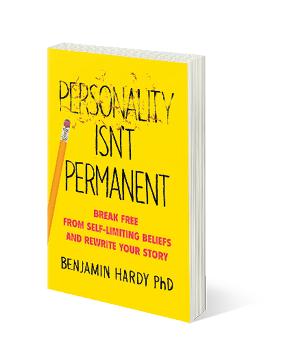
Break Free From Self-Limiting Beliefs and Rewrite Your Story
By Benjamin Hardy, Ph.D.
If you’re someone who has tried to make a life change, but had a hard time doing so, entrepreneur and organizational psychologist Benjamin Hardy, Ph.D. says his book is for you. Not only does Hardy believe that personality doesn’t matter, but also that it’s not the most important aspect that defines you.
One of those keys Hardy cites to shift your mindset and make big life changes is to create a “forcing function,” which pushes you to do a desired action. This can be something like paying for a workout class ahead of time.
“You’re creating a situation that suits your future self, forcing you to show up as that person here and now,” he writes. Hardy’s tips are rooted in psychology. If you’re willing to give it a try, the advice in his book can set you up with opportunities to become a better you. (June; Portfolio; $27)
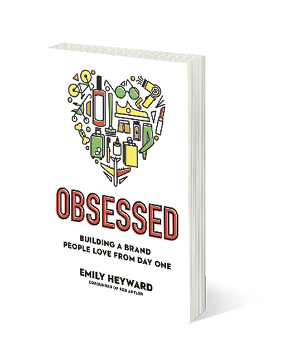
Creating the next hot product isn’t hard. The hard part is making it stick, writes Emily Heyward, co-founder and CEO of Red Antler, a full-service branding company.
“Gatekeepers no longer exist,” Heyward writes. “You don’t need to be able to afford a TV ad or get a place on the shelf at a major retail chain in order to get in front of people.”
So how do you make it stick? You build a brand people can relate to. In Obsessed, Heyward breaks down the keys to establishing and maintaining a brand people will latch onto, such as creating feelings of inclusion and establishing values.
She not only explains why these tools work, but provides real life examples of how they’ve worked for other companies. (June; Portfolio; $27)
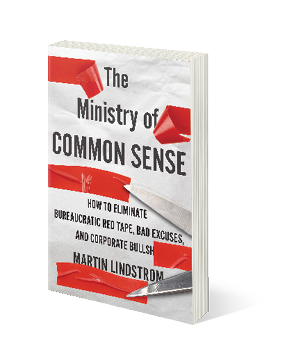
How to Eliminate Bureaucratic Red Tape, Bad Excuses, and Corporate BS
By Martin Lindstrom
How many meetings have you attended that could have been an email? Or how many times have you been locked out of your computer, and had to wait for someone from your IT department to come fix it only after you put in a ticket? According to Martin Lindstrom, a management consultant, these problems are global.
“Companies are so entangled in their own internally generated issues, and further beset by reams of invisible red tape inside employees’ heads, that they lose sight of their core purpose,” Lindstrom writes.
His key message? Companies should implement their own Ministry of Common Sense, a governing body that can “vacuum up the lack of common sense in [a] company and replace it with simple, intuitive solutions that eliminate confusion and impracticality from the lives of both employees and customers.” (June; Houghton Mifflin Harcourt; $28)
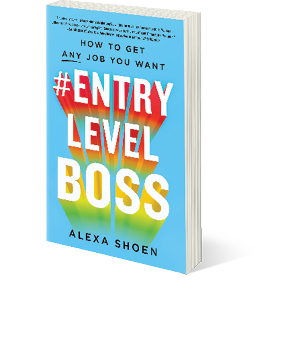
Navigating the job market isn’t easy, especially in this economy. But sometimes we make it harder on ourselves than it needs to be.
In #EntryLevelBoss, Alexa Shoen offers nine steps to work your way through the job hunt and the job you want. She starts by dispelling some incorrect beliefs about how employment works, then takes readers through every step of the job search process including: creating a list, résumés, cover letters, and interview etiquette. Shoen relies on her own experiences (she formerly worked at Facebook before launching her own company), but also provides interesting anecdotes and ideas based on research.
The book is geared toward a younger audience, but her straightforward insight, delivered in a candid and approachable manner, can be useful for anyone trying to navigate their way through the job market. Her advice and approach is solid, but it’s up to readers to put it to the test. (May; St. Martin’s Griffin; $18)
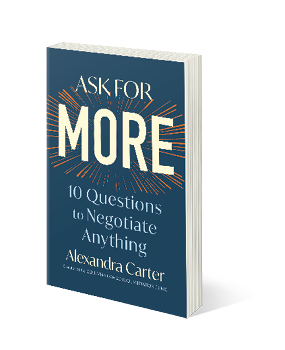
“Too often, we are taught that negotiation means talking instead of asking,” writes negotiation expert and law professor Alexandra Carter. “Making your arguments. Controlling the conversation. That negotiation means having all the answers and getting your way to prevent the other person from getting their way.”
Carter backs up her approach with plenty of research and examples. She’s taught hundreds of diplomats as a negotiation trainer for the United Nations.
Ask for More is for someone who wants to ask for a raise, but doesn’t know where to start, Carter writes. It’s for entrepreneurs who need to grow their businesses. And it can also be useful for working through conflicts in relationships. Whether it’s business or life, Carter’s approach works. (May; Simon & Schuster; $27)
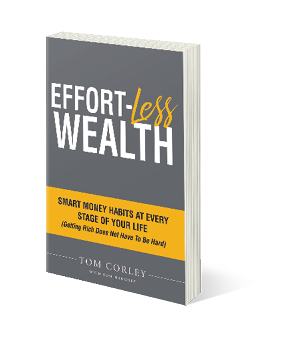
In his latest book, Tom Corley (Rich Habits) tells the reader about Tom O’Neill and John Veblen. Their lives play out similarly, but differ financially. When the two found someone to propose to, for example, O’Neill spent $1,000 on an engagement ring. Veblen spent $5,960. For their weddings, O’Neill spent $2,625 and Veblen spent $12,000.
Throughout their lives, readers see how O’Neill and Veblen handle finances differently. Veblen ends up spending over $300,000 more than O’Neill.
Corley then breaks down their money principles, wise and unwise. He goes deep into how the decisions we make—big and small—affect our lives financially. “Your habits are your values in motion,” Corley writes. “Define what is truly most important to you. Don’t put any value on possessions. Possessions will not make you happy. Financial freedom will make you happy.” (April; MCP Books; $18)
To build wealth and reach financial independence, you simply need to spend less than you earn. It is an easy concept to understand, but one many find difficult to execute. If you fall into the group who find controlling spending hard to do, you may need to examine the roots of your overspending. When you know what factors drive your spending, you can fight back and save money so that you can spend less than you earn.
Easy Access to Credit For most people, this is the biggest reason for overspending. Just take a look in your mailbox and you’ll quickly see why. People are flooded with a credit card, mortgage, auto loan, and refinancing offers on a daily basis. Oftentimes, simply filling out the short form or jumping on their website will be all it takes to obtain a new line of credit.
It can almost feel like free money. They send you a card with a $2,000 limit, so it is easy to think that you now have access to more money. While you do have access to this additional credit, the real problems start when you’re charging things that you don’t have the cash to pay for. It is all too easy to think about the small monthly payments instead of the total purchase price.
Easy Access to Cash Remember the days when you had to get a paper check from your employer, make a trip to the bank to deposit it, and then keep cash on hand or write checks? Those days are long gone, and most people have access to their bank account 24 hours a day. This can be dangerous.
When you had to rely on keeping enough cash on hand or carefully balance your checkbook each day, the act of spending money meant you had to do a little planning and some simple math. Now, all you have to do is swipe your debit card like you would a credit card and the funds are electronically whisked out of your account. When you aren’t physically handing someone money or a check for a purchase, it can almost feel as if you aren’t spending money at all. Try using cash to get your spending under control.
Misusing Credit Cards Credit cards can be a great tool when used properly. In the early days, these cards typically required that you paid the balance in full each month. This came in handy as you could make purchases without using your own cash and then repay it all at the end of the month. Effectively, this is an interest-free short-term loan. When used as intended, this can be a powerful financial tool.
The problem is when you begin to let the balance carry over from month to month. If you make a $200 purchase on your credit card and find out that at the end of the month you can’t afford to repay the full amount, you’ve started down a slippery slope. It may start with good intentions while you promise yourself that you’ll have enough next month, but more often than not, that doesn’t happen.
This is when the high-interest rates on the cards really begin to hurt you. The card company makes the minimum payment due a very small amount, which means that you can afford to make the payment, but if you continue to just pay the minimum, you’ll end up spending the next 20 years paying off that original purchase and spend more on interest than the cost of the original item. That is no way to build wealth.
Giving in to Temptation Have you ever had a friend or co-worker come up to you and suggest a fun activity? Everyone loves going out and having a good time, but you have to make sure that it is in your best financial interest. We all need to enjoy life, but it is important to know when to decline. It can be easy to simply go out to eat or to the movies and just pay for the evening with your credit card, which if you don’t pay off in full each month means you’ll be paying for that evening for a long time.
Don’t squander your financial future for a few guilty pleasures today if it isn’t in your budget. If you know that you can’t afford an activity, don’t cave in. Instead, invite your friends over for a dinner party, game night, or some other activity where you can still enjoy time together, but without breaking your budget.
Spending to Feel Good Let’s face it—buying yourself something feels good. Whether it is a new pair of shoes, the hottest new video game, or even a good book—we all enjoy getting something new. There is absolutely nothing wrong with this, as long as you don’t go overboard.
This is where it can pay to set aside a little “fun money” in your budget. Take a few dollars out of each paycheck and tuck it away for times like these. You’ll feel good about your purchase whether you make it with cash or by credit card, but you’ll feel even better when you don’t have to spend the next two years trying to pay it off with 20% interest.
“The art of communication”—I like that phrase. Because communicating is an art. When we’re attempting to get our message out to others, it’s as though we start with a giant blank canvas and we then begin to paint a picture, any picture we desire.
Now, most people assume that when painting a picture, they have only a few basic brushes at their disposal. But the advanced artist knows there are many tools available to create their masterpiece, and they use each to their advantage.
The same is true with communication. There are many tools available to you as you communicate; you just have to be aware of them and then use them purposefully. The better you become at using these tools, the better you’ll be at communicating.
The two primary categories these tools fall into are verbal and nonverbal. Let’s look at the different ways you can use each to improve your ability to communicate.
Verbal Communication
1. Your words
It’s been said that people judge you by the words you use, and this is true. Choose your words wisely. Words have power. They have the power to move nations and they have the power to destroy as well. When you speak, use your words carefully.
Here are a few things to consider in regard to your words:
Avoid using words that will cause the other person to think poorly of you. Slang is one example. Another is, of course, slurs of any type. Use words that communicate positive values. Use optimistic words, words of strength. Make sure they are understandable.
Use words that are colorful and rich with meaning, as long as they can be understood by the listener.
2. Your Vocabulary
An expanded vocabulary will set you apart. It enhances the communication process and draws others in.
Your vocabulary can reveal to others how educated you are, and others may make judgments about you that can affect your opportunities with them. The best communicators will use an expanded vocabulary with more educated groups and a more basic vocabulary with less-educated groups.
Just as important as what you say is how you say it. What tone are you using? When you speak, are you monotone? Or do you move the tone of your voice, changing it up? This will naturally help people follow what you’re saying. Changing the tone of your voice is a very effective way to draw people into your message. Imagine if a painter only used one color. We want lots of color and lots of tone.
Along with the words you use and your tone, consider your pace. Sometimes when you speak you may need to go slowly, and sometimes you may need to go very fast. The speed with which you speak will tell others certain things. A fast pace will communicate that you’re excited about something. A slow pace usually communicates thoughtfulness or that you really want them to hear your point.
Choosing your pace is also like using your volume in an effective way. Master communicators will draw their audience in by fluctuating their voice from very loud to a near whisper. The audience doesn’t even know that the speaker is taking them on a roller coaster ride of communication. There are lessons to be learned here. Even in a one-on-one conversation, we can shift and change volume, keeping our communication more effective.
3. Emotion
The emotions you communicate while speaking are vital. The key here is to show emotion without “getting emotional.” Emotions can be a very effective communicator. For example, showing anger can communicate that you are very serious about something (as long as you don’t get angry often). Allowing yourself to cry can show a side of you to others that communicates that you are a person of passion who, while being a hard-charging person who desires success, also has a tender side. Allowing yourself to laugh will communicate that you have a fun side and do not take yourself too seriously. Emotion, if controlled, is a powerful communicator.
4. Enunciation
Do you speak clearly so people can understand you? Enunciation is an often-overlooked key to effective communication. It’s imperative to clearly enunciate our words so that people understand us. Clear enunciation gives us a little “punch” to our communication. Work on enunciating your words clearly. The key is to get it just right—enunciating so that your words don’t run together but not over-enunciating so that you sound unnatural.
In all of these principles, the idea is variety. Anytime we communicate in a single way, we become predictable and people stop listening. Think of yourself. Do you like to listen to people who speak at one speed, in one tone, with a boring vocabulary and without emotion? Of course not! Then we should make every effort to be colorful and effective communicators. And we can be—if we work at it and practice, practice, practice!
Nonverbal Communication
What you say affects how you communicate, certainly, but just as important is what you don’t say. Yes, your nonverbal communication has a major impact on how well you communicate.
Have you ever given much thought to how you communicate nonverbally? Here are some thoughts on ways to use nonverbal communication to support what you’re saying verbally.
5. Your Hands
Keeping your hands by your side will make you seem stiff and uncomfortable. Instead, use your hands to communicate. Now, don’t get too demonstrative to the point where people are wondering where your hands are going next. One way to see what you do nonverbally is to record yourself speaking. Watch what you do with your hands.
6. Your Eyes
The eyes can be a very powerful tool in communication. You know the old saying, “the eyes are the window to your soul”? It’s true. Think of what a mother communicates to her newborn when she gazes into their eyes, or what a couple says without words when they look into each other’s eyes. The eyes speak volumes.
Have you spoken with someone who is constantly looking around? What does that communicate? A lack of interest in what you have to say.
When you speak to someone, look at them. Give them your attention with your eyes. Listen to them with your eyes. Communicate with them that they are important.
7. Your Arms
Some people don’t even realize when they’re “closed off” to someone else by crossing their arms when the other person is speaking. Those who study this tell us that crossing the arms is a surefire way to close yourself off from the other person. It communicates closure, fear and opposition.
8. Speaking Position
When you’re communicating, especially in a presentation situation, your speaking position, whether you are standing, sitting, kneeling, etc., can communicate a lot.
For example, my good friend Zig Ziglar, a master of the stage, will frequently move to the front of the stage and kneel. What is he nonverbally communicating? He is saying, “Listen closely to this. This is really important.” He is bringing the audience in for an intimate moment. Even in a room with 1,000 people, this way of communicating can make every individual feel like Zig is speaking closely to just them.
Sitting communicates casualness. I know many speakers will give a considerable part of their presentation this way. John C. Maxwell, another friend of mine, and a world-class leadership expert, gives quite a bit of his speeches while sitting. His style is informative and casual—and it is effective.
So you want to buy or sell a house, but, well . . . coronavirus. This pandemic has probably kept you from doing a lot of things you want to do: You can’t go to the movies, you can’t go to the gym, you can’t watch any sports (besides marble racing)—you can’t even hug your mom!
If you’ve already got all your ducks in a row and don’t want to put your housing goals on hold for another year, all those restrictions might have you asking, Can I buy or sell a house during the coronavirus?
The quick answer is yes. In April 2020, there were over 4 million home sales across the country!1 So did those home buyers and sellers experience any challenges you should prepare for?
We’ll walk you through what to expect when buying or selling a house during the coronavirus.
Buying or Selling a House This Year
Okay, we already know millions of homes closed in the past few months despite the pandemic. But when you’re ready to throw your own hat into the ring, will you be able to close? Let’s see how buyers and sellers are behaving now. Find expert agents to help you buy your home.
In May, more than a quarter of buyers and a third of sellers continued tobuy and sell homes during the coronavirus. Still, the virus is delaying what’s usually the hottest season for real estate. In fact, 64% of home buyers and 48% of sellers decided to stop the process due to the coronavirus’ impact—for at least a couple of months.2
So,while the coronavirus has many home buyers and sellers putting things on hold, home closings are still happening and the housing market forecast seems to point toward a reasonable rebound once the virus goes bye-bye.
Takeaway: If you’re determined to buy or sell a home this year, there’s still a good chance you can make it happen.
Home Prices During COVID-19
Let’s get right down to it. While most home buyers expected home prices to drop in the wake of the coronavirus, that hasn’t been the case—at least for now.
In fact, as of May 2020, the national median home price actually went up just a tad to $330,000.3 And a majority of sellers (72%) haven’t felt a need to lower their listing price to attract new buyers.4
So, whether you’re buying or selling, it seems like prices are holding steady. But there’s still a chance your situation will be different than the norm. That’s why it’s so important to know how to find a real estate agent who has experienced the ups and downs of market changes so you can get the best deal whether you’re buying or selling.
Getting a Mortgage in 2020
The good news for home buyers right now is mortgages are being offered at rock bottom interest rates. For example, the average interest rate of a 15-year fixed-rate conventional loan in May was at 2.69%—the lowest it’s been in seven years!5
But keep in mind, dozens of factors go into how a lender decides what interest rate you qualify for—there are no guarantees. Some lenders have raised their down payment and job history requirements. That’s why you might’ve heard how some buyers are pulling teeth just to get approved. Lenders are being extra careful right now to avoid taking on too much risk.
In May, some real estate agents found that extra caution among lenders to provide financing caused a delay in home closings, while 22% said their buyers no longer qualified for a mortgage because of a job loss.6 That’s right, some lenders are regularly requesting proof of a buyer’s job security as late as one day before closing so they can cancel financing if the risk is too high.
Don’t let a stricter lending requirement get you down—it isn’t necessarily a bad thing. Sure, you might want to buy a house ASAP, but if your job and income aren’t stable, you still have debt, or you don’t have a down payment of at least 10–20%, buying a house isn’t a good idea—coronavirus or not.
If you want to get a smart mortgage that helps you pay off your home fast, talk to our friends at Churchill Mortgage about a 15-year fixed-rate conventional loan—the cheapest type of mortgage and the only kind we recommend.
Viewing a Home During Coronavirus
Forcing us to wave to grandparents from behind a window isn’t the only way social distancing has interrupted our lives. It’s also added some new challenges to buying and selling a home.
In fact, 1 out of 5 real estate agents said social distancing is making home buying and selling nearly impossible or it’s postponing deals from getting done. But most agents said wearing masks and gloves or doing remote deals is working just fine.7
Again, your situation might be different. But if you’re determined to buy or sell right now, there are ways to close the deal while still respecting social distancing efforts. Here are some tips:
Selling Tips
Most agents said home sellers have made changes to how people interact with their home—including stopping open houses, doing virtual showings, or requiring buyers, home inspectors, and appraisers to pretty much put on a hazmat suit before entering.8
Then again, a handful of agents said sellers haven’t made any changes to how people interact with their homes, despite the coronavirus.9 So your experience will really depend on what you’re comfortable with and where you live.
Buying Tips
As a buyer, there’s a chance your only option to view inside a house is to do a virtual showing. Watching a video tour has become a popular way to work around social distancing efforts during home deals. And with easier access to video technology, this pandemic might just make virtual showings the new norm as a no-hassle resource for buyers searching for a home they love.
As you get ready to make an offer on the perfect house, you might also come across a COVID-19 addendum. In response to the crisis, some home deals include addendums that allow the buyer and seller to extend the closing process or cancel the contract if issues related to the coronavirus make it impossible or unlikely to close. No harm, no foul.
When it’s time to close the deal, don’t be surprised to find yourself doing a “drive-by closing” where you pull up to the curbside of a title company’s office as if you were ordering takeout. A legal professional will probably come out to you decked in a mask and gloves to drop off a mountain of paperwork for you to sign in your car for a few hours. Again, this may be different depending on where you live.
Crush Your Housing Goals With an Expert
Now that you know what to expect while buying or selling a house during the coronavirus, work with someone who really knows what they’re doing in this crazy time—an expert real estate agent. Never settle for a novice—especially now, when the stakes are so high. You need someone who lives and breathes real estate—someone at the top of their game who can get the job done and negotiate on your behalf.
For a quick and easy way to find a top-ranking agent near you, try our Endorsed Local Providers (ELP) program. We only recommend agents who are at the top of their market.